The January Declutter Challenge: 31 Simple Wins to Reset Your Home (and Your Brain)
January has a certain kind of quiet to it.
The holidays wrap up, the decorations come down, the calendar looks a little lighter, and for the first time in weeks you finally have a moment to sit down and breathe.
And then you notice it…
The clutter.
The piles of holiday aftermath still scattered around the house. The stacks of “I’ll get to it later.” The drawers that don’t quite close anymore. The spaces that feel heavy, overcrowded, and chaotic.
If the idea of decluttering your entire homes makes you want to shut down before you even start, you’re not alone. Overwhelm is one of the biggest reasons people avoid organizing, especially after an already exhausting season.
So let’s do this differently…
Instead of an all-or-nothing reset, our January Decluttering Challenge is built around small, manageable wins… one simple task a day. No marathon clean-outs. No perfection. Just progress.
Because clutter isn’t just about the stuff. It creates mental load, decision fatigue, and stress. (Not exactly the energy most of us want to carry into a new year.)
When we intentionally declutter and organize our homes, we create space for calmer routines and better focus. Now that’s a much better way to start January!
Why January is the Perfect Time to Declutter
January is a natural reset point. We’re already thinking about fresh starts, new routines, and what we want the year ahead to look like. Resetting our spaces right alongside our schedules just makes sense.
Decluttering in January can help you:
Reduce visual and mental overwhelm
Make daily routines easier
Improve focus and productivity
Create simple home organization systems that support your goals
Start the year feeling lighter, calmer, and more in control
When our environment is off, it affects everything… Our time, our finances, our relationships, and even our mental and physical health.
For ADHD brains especially, clutter can feel paralyzing. And for anyone planning to declutter for downsizing, starting small can make a big, meaningful difference. Too much visual clutter can lead to distraction, avoidance, and exhaustion. Decluttering isn’t always about being “tidy” or having a picture-perfect home, it’s often about creating an environment that works with your brain instead of against it.
That’s why this challenge focuses on one small task a day, just 10-20 minutes max. No deep cleaning required. Each task involves sorting, tossing, donating, or lightly organizing… nothing more.
When the timer goes off, you’re done. Even if you’re not “finished.”
Progress beats perfection. Every single time.
Want Daily Motivation While You’re Doing the Challenge?
If you’d like daily reminders, encouragement, and quick organizing tips as you work through the challenge, follow us on social media. We’ll be sharing bite-sized decluttering motivation, real-life organizing tips, and gentle reminders to keep going… even on messy days.
Follow along on Instagram and Facebook for daily support in January 2026 throughout the January Declutter Challenge.
The 31-Day January Declutter Challenge
This challenge is especially helpful if you’re beginning to think about downsizing. Small, consistent steps reduce overwhelm and make bigger transitions feel far more manageable.
Day 1: Purse, Backpack, or Work Bag
Toss old receipts, trash, expired coupons, and anything that doesn’t belong. You carry this around everyday, it’s time to make it lighter.
Day 2: The Junk Drawer
We all have one. Today, empty it completely, toss broken items and trash, and group like items together. Small containers can help make a junk drawer feel more organized. But remember… done is better than perfect.
Day 3: Refrigerator Door & Top Shelf
Notice we didn’t say entire refrigerator. Set a timer. Expired condiments and mystery leftovers count as clutter too.
Day 4: Remaining Refrigerator Shelves & Drawers
Pick up where you left off yesterday and continue working through the rest of your refrigerator. Remember to check expiration dates and make a note of any tossed items you need to replenish.
Day 5: Bathroom Counter
Choose a bathroom…. maybe it’s your primary bathroom, maybe it’s the kids’. Remove anything that’s not being used daily. Clear counters create a much calmer environment for getting ready.
Day 6: Medicine Cabinet
Check expiration dates on medication and safely dispose of outdated items or things you no longer need.
Day 7: Nightstand
If it doesn’t help you sleep or wake up, it doesn’t belong on top of your nightstand. If you have time, go through drawers and declutter
Day 8: Shoes by the Door
Donate pairs you don’t wear. Rehome off-season shoes to another storage space. Create a simple landing zone to contain everyday shoes as you come and go so they don’t take over.
Day 9: Phone Apps
Delete apps you haven’t used in the last three months. Digital clutter counts.
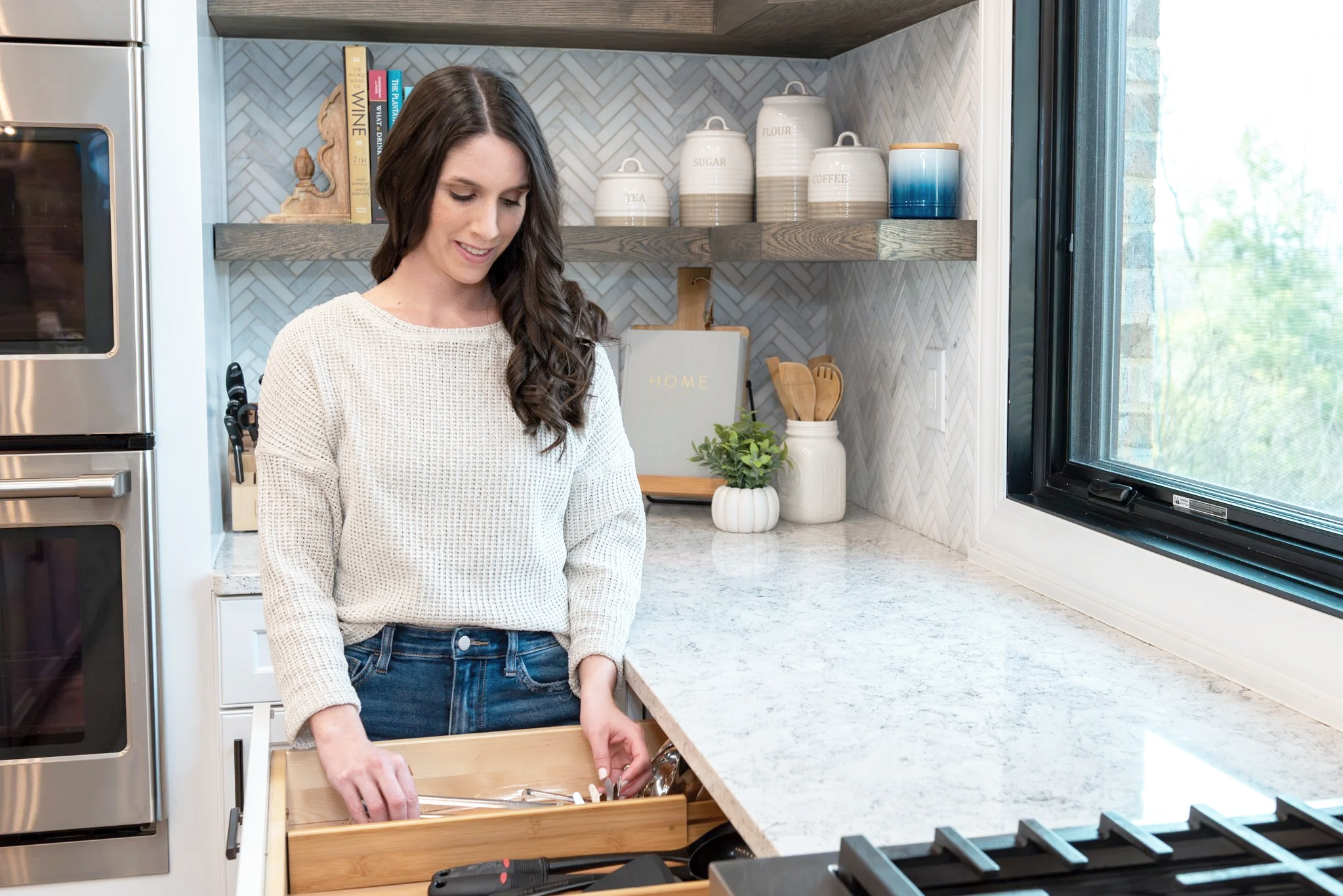
Day 10: Kitchen Utensil Drawer
If you don’t reach for it, let it go. (Especially if there’s an alternative tool that you almost always use instead. ) Do we really need multiple potato mashers?
Day 11: Mail Pile
Recycle junk mail, file what matters, and create a simple system:
Incoming - needs to be addressed
Action - requires follow-up
File - needs to be filed
Outgoing- leaving your home
Day 12: One Pantry Shelf
Focus on a single shelf that’s feeling overwhelming to you. Toss expired items and group similar foods together. The pantry is another area that can often benefit from bins to contain categories of items.
Day 13: Towels & Washcloths
Keep what you actually use. Donate extras. Local animal shelters often welcome these, but it’s a good idea to call ahead first in case they’re at capacity. Many donation drop off locations also offer textile recycling for bath linens as well.
Day 14: Closet Floor
Clear what doesn’t belong. Dirty clothes to the laundry basket, clean clothes back on the hanger or in drawers. Need a place for those in-between items that have been worn for an hour or two but aren’t quite ready to be washed? Consider adding a designated bin for this purpose. This small step can completely change how your closet feels.
Day 15: Car Console
Trash, cords, and clutter add up fast when you’re on the go! Reset your driving space.
Day 16: Coffee Table or Main Surface
Clear visual clutter and leave only intentional items. A small basket or “clutter catcher” can help contain items temporarily until you’re ready to reset the space.
Day 17: Socks & Underwear Drawer
Toss worn-out items or socks with no matches. This one feels surprisingly good.
Day 18: Cleaning Supplies
Duplicate bottles or products you hate using? You have permission to let them go and start fresh.
Day 19: Makeup or Grooming Products
Expired or never-used items steal valuable space and time. Imagine not having to dig through all of those unused eyeshadows to reach the one you use every day.
Day 20: Books or Magazines
Keep what you love or will realistically read. Donate the rest.
Day 21: Desk or Workspace
Clear distractions. Keep only what supports focus. As you clear this space, take note of the types of things that tend to pile up here. Papers with an undefined home? Incoming mail that needs to be addressed? These categories tell you where intentional new systems could really make a difference.
Day 22: Entryway or Drop Zone
Create a system for keys, bags, and shoes that works for your family. Clear out the clutter that has accumulated with the daily rush in and out of the house.
Day 23: Food Storage Containers
Match lids to containers and recycle the ones that don’t have matches. If space allows, store containers with lids on for grab-and-go ease.
Day 24: Laundry Area
Toss empty bottles and relocate anything that doesn’t belong in this area.
Day 25: Craft or Hobby Supplies
If the hobby no longer fits your life, it’s okay to let it go. If it’s something you still love to do, reassess the supplies you have on-hand and trash or donate any that are no longer useful for you.
Day 26: Digital Photos
Delete duplicates and blurry images. This is a big task, so remember to set a timer and focus on progress, not perfection. (There are apps out there that can help streamline this process.)
Day 27: Paper Files
Recycle what you no longer need and create a simple filing system. This step is especially important if you’re preparing to declutter for downsizing or supporting aging parents through a move. (Learn more about our best practices for storing essential family information here.)
Day 28: Kids’ Toys or Games
Involve the kids if possible. Focus on broken or unused items.
Day 29: Bathroom Under the Sink
Expired products and forgotten backups often live here. Categorize items to determine how many you have, then decide how many you actually need.
Day 30: One “Hot Spot”
Choose the space that stresses you out the most. It may be a drawer, a shelf, a section of a room… it may even mean revisiting one of the areas you’ve already started on earlier this month.
Day 31: Reflect & Reset
Notice what feels better. Notice which areas seem to need a little extra support to maintain… then schedule time for regular resets of those spaces moving forward. Even the best organizational systems need to be maintained over time… life gets busy, routines shift, and clutter slowly begins to accumulate again. Scheduling time to address decluttering regularly really helps!
What to Do When You Feel Stuck
Low motivation days happen. When they do:
Set a timer for five minutes
Choose just one category
Start deciding what stays and what goes
Stop when the timer ends
Action creates momentum; not the other way around.
And remember: you’re not behind. You’re building skills.
Decluttering is a Skill, Not a Personality Trait
As a team of Pittsburgh professional organizers, we see this every day: people assume they’re “bad at organizing,” when in reality they’ve just never been taught systems that actually work with their routines , their space, or their stage of life.
Many clients tell us, “I’m just not organized.”
That’s not true.
Organization is a learned skill, not a personality trait. Decluttering is the foundation. When we reduce what we’re managing, everything else gets easier… routines, cleaning, productivity, and even emotional regulation.
Decluttering isn’t about having less for the sake of less. It’s about keeping what supports your life right now.
If clutter keeps coming back, it’s usually not a motivation issue; it’s a systems issue.
That’s where working with professional organizers in Pittsburgh can make a real difference, especially during major life transitions. Professional organizers help you with:
Creating systems that match how your brain works
Reducing decision fatigue
Building routines that actually stick
Providing accountability and support
You don’t have to do this alone.
If daily tips and accountability help you stay consistent, following us on Instagram or Facebook can be a great place to start… especially during a challenge like this.
Ready for Support Beyond the Challenge?
Whether you’re looking for downsizing help in Pittsburgh or virtual productivity coaching or declutter coaching, support can make the process feel calmer, faster, and far less overwhelming.
If this January declutter challenge feels helpful, but also highlights where you feel stuck or overwhelmed, that’s a sign that professional support could help.
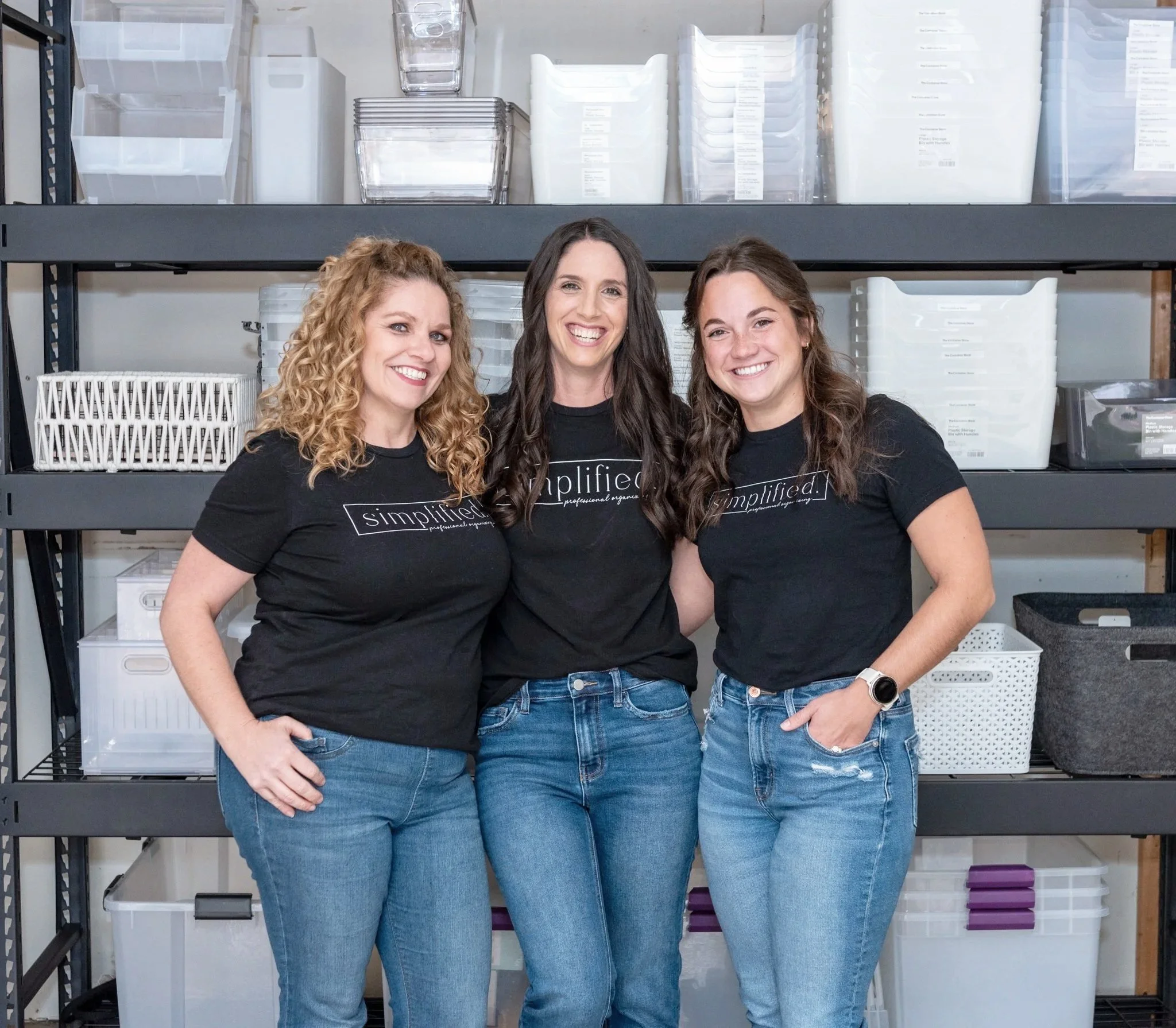
We help clients:
Declutter without overwhelm
Create simple, sustainable systems
Build routines that support real life
Stay accountable and consistent with their decluttering plans
If you’re ready to stop starting over and start building systems that last, reach out to schedule a complimentary consultation. Let’s make this the year your home supports you!

Hi there! I’m Kristen, and I’m a Pittsburgh professional organizer and owner of Simplified Professional Organizing. My team and I serve Pittsburgh, PA and absolutely love helping people simplify their homes, businesses, and day-to-day lives with our professional organizing, productivity consulting, and moving services. No matter where you’re at in your organizing journey, we’re here to help.
Click HERE to schedule a complimentary consultation to talk about how we can help you eliminate the overwhelm and reclaim space in life for what truly matters most!
What expert tips and exclusive resources delivered to your inbox?